Ask ten executives what culture is and most will describe the artifacts: the values on the wall, the town halls, the offsites. But culture is not what a company says. It is what its people have learned to expect will happen.
Culture is what your decisions reward
Every organisation has two cultures: the stated one and the enacted one. The gap between them is where trust leaks away. People believe the promotion decisions, the budget decisions and the consequence decisions — everything else is decoration.
Your culture is the sum of what you tolerate, reward, and punish — nothing more, nothing less.
Why culture change programmes stall
Most culture programmes fail because they start with communication instead of mechanics. Values posters do not change behaviour; changing what gets measured, discussed and decided does.
- Do your performance conversations actually reference the behaviours you say matter?
- Do your incentive schemes reward the outcomes you claim to value?
- Do leaders at every level get rewarded for developing people, or only for hitting numbers?
Start with observable behaviours
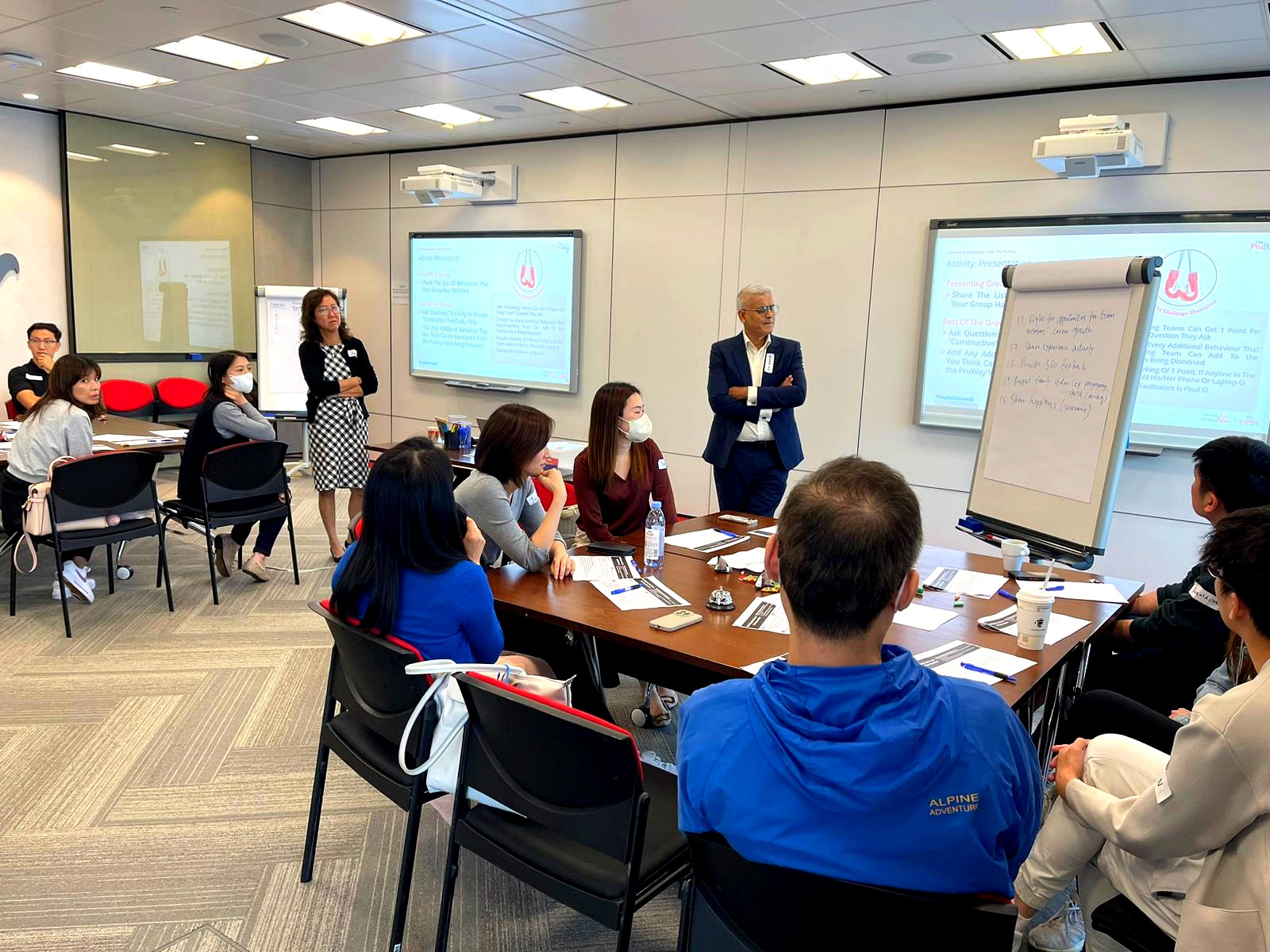
Abstract values cannot be coached or assessed. In our work with leadership teams, the turning point is always the same: translating each value into observable behaviours that can be discussed, hired against, and evaluated. Once behaviours are explicit, culture stops being a philosophy debate and becomes a management practice.
Diagnose before you transform
A culture diagnostic should tell you where the gaps are, how big they are, and what is driving them — so the intervention lands where it matters. Blanket programmes treat everyone equally and change no one.
The operating system metaphor
We use the metaphor deliberately: culture runs quietly beneath every process and decision in the company. Ignore it and every new strategy runs on old code. Update it deliberately — behaviours, incentives, consequences — and every other initiative you run gets faster and cheaper.